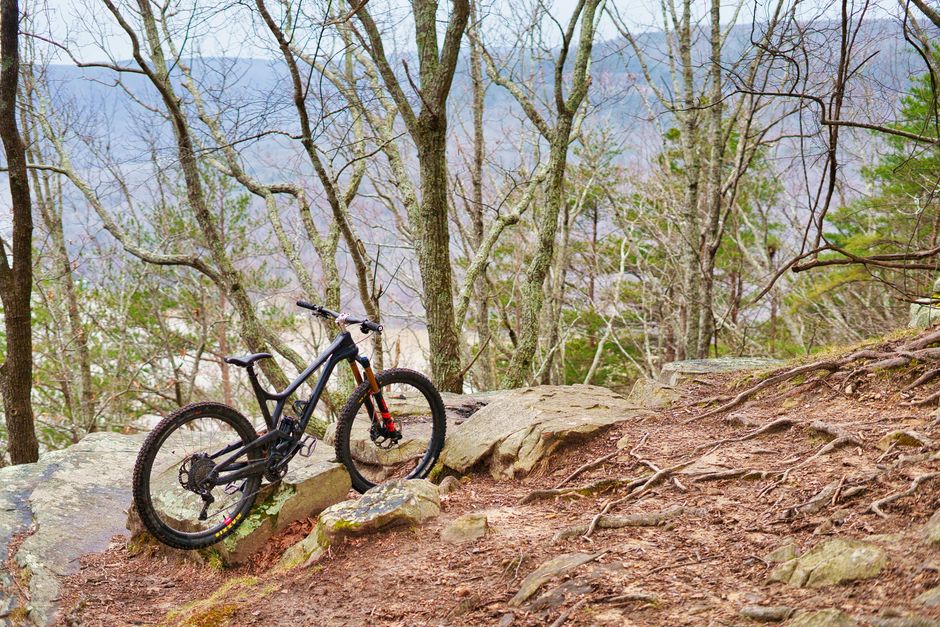
Selecting a mountain bike for off-road trails involves evaluating several key factors that influence performance, comfort, and durability. Riders have different preferences and riding styles, so understanding how frame materials, suspension systems, wheel sizes, and geometry affect the bike’s behavior can help in making an informed choice. The following sections outline the main considerations when comparing mountain bikes designed for rough terrain.
Each component of a mountain bike contributes to its overall capability. Frame material affects weight and vibration damping. Suspension type determines how the bike absorbs impacts. Wheel size influences traction and maneuverability. Geometry shapes the riding position and stability. By examining these elements individually, it becomes easier to identify which combination aligns with a rider’s typical trail conditions and personal comfort.
It is important to note that no single setup is universally superior. The optimal configuration depends on factors such as trail difficulty, rider weight, and intended use—whether cross-country, trail riding, or more aggressive downhill sessions. The following sections provide a structured comparison to guide the evaluation process.
Frame Materials and Their Characteristics
The frame is the foundation of any mountain bike. Common materials include aluminum, carbon fiber, steel, and titanium. Each offers distinct properties that affect the bike’s weight, strength, ride quality, and cost. Aluminum frames are widely used due to their balance of affordability, stiffness, and relatively low weight. They provide a responsive feel, though they can transmit more trail vibrations compared to other materials.
Carbon fiber frames are lighter and can be engineered to absorb vibrations effectively. They are often chosen by riders seeking reduced weight and improved comfort over long distances. However, carbon frames tend to be more expensive and require careful inspection after impacts. Steel frames are known for their durability and smooth ride quality. They are heavier but can withstand rough treatment and are frequently used in hardtail designs for bikepacking or rugged trails. Titanium offers a combination of light weight, strength, and natural vibration damping, but it comes at a higher price point.
When comparing frame materials, riders should consider how much they prioritize weight savings versus durability or budget. The choice also interacts with other components such as suspension and wheels, as the overall bike system determines the final ride experience.
Suspension Types: Hardtail vs Full Suspension
Suspension systems are categorized into hardtail (front suspension only) and full suspension (front and rear). Hardtail bikes are simpler, lighter, and generally more efficient for climbing and pedaling on smoother trails. They are often favored by cross‑country riders or those who use the bike on mixed surfaces. The lack of rear suspension means the rider absorbs more trail feedback, which can be tiring on very rough terrain but also offers better power transfer on climbs.
Full suspension bikes include a rear shock that absorbs bumps and maintains tire contact with the ground. This design improves traction and control on rocky, root‑filled, or downhill sections. The added weight and complexity may reduce climbing efficiency slightly, but many modern designs use lockout or platform adjustments to mitigate this. Riders who frequently encounter steep, technical descents or loose surfaces often prefer full suspension for the added stability and comfort.
Choosing between hardtail and full suspension depends on the typical trail conditions. For trails with frequent large impacts, a full suspension may reduce fatigue and improve handling. On smoother, flowy trails, a hardtail can be sufficient and offers a more direct connection to the trail. Suspension travel—measured in millimeters—also varies. Longer travel (130 mm and above) is suited for rougher terrain, while shorter travel (100–120 mm) works well for lighter trail riding.
Wheel Sizes and Their Influence on Handling
Mountain bike wheel sizes have evolved to meet different riding demands. The most common sizes are 29 inches, 27.5 inches, and, less frequently, 26 inches. Each size affects how the bike rolls over obstacles, turns, and accelerates. Larger 29‑inch wheels roll over rocks and roots more easily due to their larger contact patch and higher inertia. They maintain speed well and offer better traction in rough terrain. However, they can feel slower to accelerate and may be less maneuverable in tight turns.
Smaller 27.5‑inch wheels are more agile and accelerate faster. They allow quicker direction changes and are often preferred on technical trails with many sharp corners. The smaller diameter also makes it easier to fit the bike for shorter riders. 26‑inch wheels are now rare but still found on some older models or specific niche applications. For general off‑road trail riding, 29‑inch wheels have become the standard due to their ability to smooth out terrain, but many riders still choose 27.5 for playful handling.
Some bikes are designed to accept either wheel size through adjustable dropouts or frame modifications. Riders should test both sizes if possible, as personal preference plays a significant role. The choice of wheel size also impacts the bike’s geometry, so it is worth considering how the overall frame design complements the wheel diameter.
Geometry and Fit Considerations
Bike geometry numbers such as head tube angle, seat tube angle, reach, and wheelbase describe how a bike handles and fits a rider. A slacker head angle (65–67 degrees) provides stability at high speeds and on descents, while a steeper angle (68–70 degrees) improves steering response and climbing performance. Longer wheelbases increase stability but reduce agility. Reach and stack determine the rider’s position; a longer reach suits riders who want a more stretched, stable posture, while a shorter reach allows a more upright position.
Fit is critical for control and comfort. A bike that is too large or too small can lead to poor handling and discomfort on longer rides. Many manufacturers, including Summit Ventures, offer size charts based on rider height and inseam. However, body proportions vary, so a test ride is recommended. Adjustable components like stems, handlebars, and saddle position can fine‑tune the fit after purchase.
When evaluating geometry, riders should consider the type of trails they intend to ride. A bike with progressive, modern geometry may feel different from an older design. Comparing numbers across models can help narrow down options, but real‑world handling often depends on the integration of all components.
Additional Components and Setup Options
Beyond frame, suspension, wheels, and geometry, other parts affect the riding experience. Drivetrain choices (1x vs 2x) influence gear range and simplicity. Hydraulic disc brakes provide consistent stopping power in wet or muddy conditions. Tire width and tread pattern affect traction and rolling resistance. Dropper seatposts allow on‑the‑fly saddle height adjustment, which is useful for descending without compromising climbing efficiency.
Setting up suspension sag, tire pressure, and cockpit position can significantly alter how the bike performs. Many riders experiment with these parameters to match trail conditions. It is worth noting that component upgrades can be made gradually, so initial selection should focus on the frame and suspension platform, as these are expensive to change later.
Ultimately, choosing a mountain bike for off‑road trails involves balancing multiple trade‑offs. By understanding the role of each component and how they interact, riders can make a more informed decision. Test riding different configurations and consulting with experienced riders or local shops can provide additional insight. The most suitable bike is one that fits well, matches the rider’s preferred terrain, and offers a comfortable, controlled experience over time.