Stand Up Paddleboarding Techniques for Calm Waters
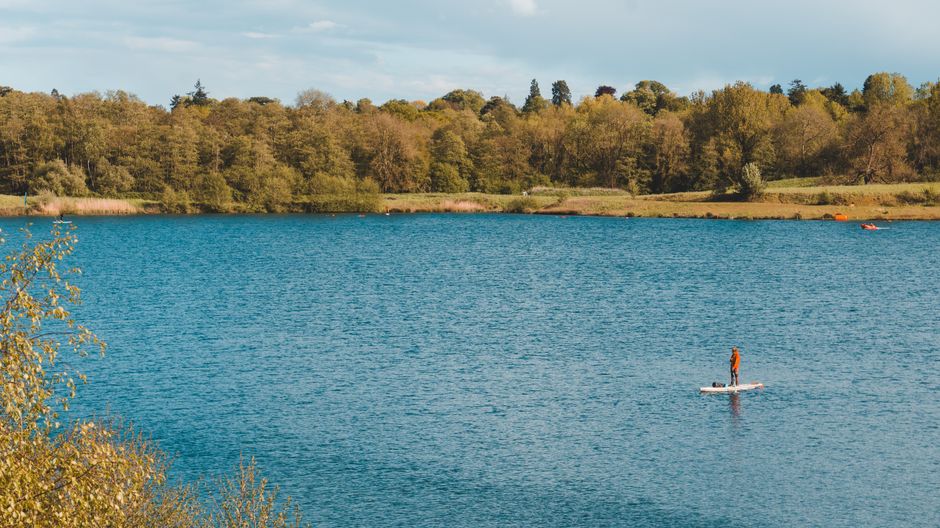
Stand up paddleboarding on calm, flat water offers an accessible environment for developing foundational skills. Unlike moving water or ocean conditions, flat water allows individuals to focus entirely on body positioning, paddle mechanics, and directional control without the added variables of waves or currents. Understanding the core techniques used in these conditions provides a basis for progress into more dynamic environments. The following sections outline key methods for establishing a stable stance, executing efficient strokes, and performing controlled turns, all within the context of a neutral, instructional approach.
Paddleboarding on flat water is often a process of refining small adjustments in weight distribution and paddle angle. Each movement influences the board’s response, and learning to observe these reactions helps build intuitive control. The techniques described here are presented as options to practice and explore, rather than as guarantees of immediate improvement. Consistent practice and attention to body mechanics are important factors in developing proficiency.
This article focuses on the mechanical aspects of paddleboarding rather than on specific outcomes or results. The aim is to describe common approaches used by many paddlers, allowing readers to understand the reasoning behind each technique and apply it in their own practice sessions.
Establishing a Stable Stance
The stance on a paddleboard determines how effectively weight can be shifted and how much stability is available. For calm waters, a neutral stance with feet placed approximately hip-width apart is a common starting point. The feet should be positioned parallel to the stringer, the centerline of the board, with the knees slightly bent to absorb minor movements from the water. This position lowers the center of gravity and reduces the likelihood of sudden loss of balance.
Weight distribution across the feet can influence the board’s pitch and yaw. Placing slightly more weight on the back foot helps keep the nose of the board from diving during forward paddling. Conversely, shifting weight forward can help the board track straight in light wind conditions. A useful practice is to stand still for a few moments after mounting the board, feeling how the board responds to small shifts in weight. This observation phase allows the paddler to calibrate their stance before beginning to paddle.
Many paddlers find that relaxing the upper body and keeping the head upright contributes to overall stability. Looking toward the horizon rather than down at the board encourages a natural alignment of the spine and hips. When turning or maneuvering, the stance may need to adjust, but on flat water, maintaining a wide, flexible base is generally recommended for steady progression.
The Forward Stroke: Mechanics and Rhythm
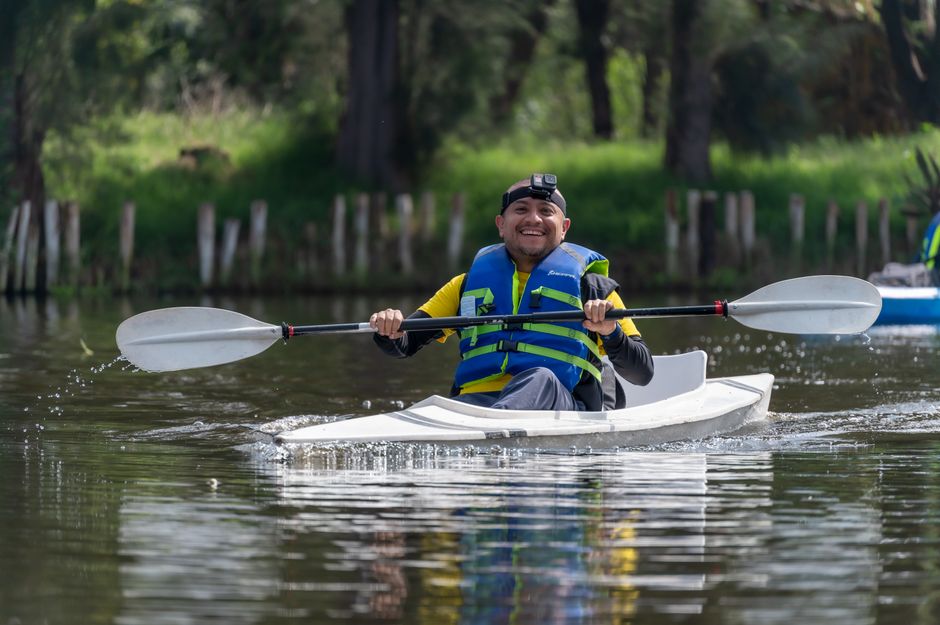
The forward stroke is the primary means of propulsion in calm water paddleboarding. Its effectiveness depends on the angle of the paddle shaft, the placement of the blade, and the rotation of the torso. Instead of relying solely on arm strength, a full-body rotation technique is often emphasized. This involves initiating the stroke with a twist of the shoulders and torso, allowing the core muscles to drive the movement while the arms and wrists remain relatively relaxed.
The blade should enter the water near the front of the board, at a point where the paddle reaches comfortably without overreaching. Once submerged, the blade is pulled back along the side of the board in a straight line, exiting near the paddler’s hip. A common approach is to keep the paddle shaft as vertical as possible during the pull phase, as this reduces lateral drag and helps the board travel in a straight line. The recovery phase involves lifting the blade out of the water and rotating the torso back to the starting position, ready for the next stroke.
Rhythm is another factor in efficient paddling. Alternating strokes every few seconds, with a brief pause between each, can help maintain a steady pace without causing fatigue. On flat water, it is possible to experiment with stroke length and frequency to find a pattern that feels sustainable over longer distances. Observing the wake and the board’s response can provide feedback on whether the stroke is balanced and effective.
Turning Techniques: Sweep and Reverse Strokes
Turning a paddleboard on calm water requires deliberate manipulation of the board’s direction using specific paddle movements. Two common methods are the forward sweep and the reverse sweep. The forward sweep is used to make gradual turns while maintaining forward momentum. To perform a forward sweep on the left side, the paddler extends the paddle forward, then sweeps the blade in a wide arc from the nose toward the tail of the board. This motion creates a turning force that rotates the board to the right. A similar sweep on the right side turns the board to the left.
The reverse sweep is effective for sharper turns or when the board is stationary. The blade is placed in the water near the tail of the board and swept outward and forward in an arc. This action pushes the tail in the opposite direction, causing the nose to pivot. On flat water, combining a reverse sweep with a slight weight shift toward the back of the board can produce tighter turns. It is important to keep the paddle blade fully submerged during the sweep to maximize the turning leverage.
Another technique involves using the paddle as a rudder while gliding. By dragging the blade straight behind the board with the paddle angled slightly, the paddler can make minor course corrections without interrupting forward motion. This method is particularly useful when maintaining a straight line over longer distances. Practicing these turning techniques in a calm environment allows the paddler to learn the relationship between blade placement and board rotation without external disturbances.
Maintaining Balance and Body Alignment
Balance on a paddleboard is a dynamic process that involves constant small adjustments. In calm water, external factors such as wind or passing boat wakes can still introduce minor instability. Keeping the knees bent and the ankles flexible helps absorb these irregularities. The upper body should remain relatively still, with movements originating from the hips and torso rather than from the arms and shoulders.
Foot placement can be adjusted to suit the activity. For straight-line paddling, parallel feet work well, but when turning or executing maneuvers, a staggered stance—with one foot slightly forward—can provide better leverage. Shifting the back foot toward the edge of the board during turns can help initiate a tilt that facilitates rotation. However, overcorrecting or locking the knees can reduce the body’s ability to react smoothly to the board’s movements.
Breathing also plays a role in maintaining balance. Shallow or held breath can create tension in the upper body, which may translate into unnecessary board movement. Taking slow, regular breaths and keeping the gaze forward are simple habits that support overall stability. Many paddlers find that practicing balance exercises, such as standing still on the board while doing gentle torso twists, helps build the muscle memory needed for more complex movements.
Practicing Efficient Paddling Patterns
Beyond individual strokes, understanding how to combine movements into efficient patterns is helpful for covering distance and managing energy expenditure. One common approach is to use a consistent rhythm of alternating strokes, with occasional correction strokes interspersed to maintain a straight course. On flat water, the need for correction strokes is generally lower than on choppy surfaces, but slight steering adjustments are still necessary, especially in crosswinds.
Using the paddle blade’s angle during the recovery phase can also influence efficiency. Feathering the blade—rotating it to be parallel to the water surface during recovery—reduces wind resistance. This technique is more relevant in breezy conditions but can be practiced on calm days to build familiarity. Another pattern involves varying the depth of the paddle blade in the water: a deeper catch engages more water and provides more propulsion, while a shallower catch is useful for gentle gliding or warm-up sequences.
Practicing on a straight, calm stretch of water allows the paddler to observe how each stroke affects the board’s trajectory. Recording notes on which patterns feel most comfortable or require the least adjustment can guide future practice sessions. Over time, these patterns may become second nature, allowing the paddler to focus more on enjoying the surroundings and less on mechanical details.