Spending a day hiking in the mountains can be a rewarding experience, but the conditions in alpine environments change quickly. Weather, terrain, and personal fitness all interact in ways that are not always predictable. Preparing with the right equipment is one way to reduce potential discomfort and increase the likelihood of a smooth outing. This article outlines several categories of gear that hikers often find useful when planning a day trip into mountainous areas.
The process of choosing gear involves understanding the specific demands of the trail, the expected weather, and the duration of the hike. No single set of items works for every situation, but certain categories consistently appear in discussions about preparedness. Footwear, hydration systems, navigation tools, and layered clothing form the foundation of most packing lists. Each of these areas contributes to mobility, comfort, and orientation during the hike.
Beyond the basics, additional items such as illumination tools and first aid materials can address unforeseen circumstances. The goal is not to carry every possible object, but to select items that serve multiple functions or cover common scenarios. The following sections explore each category in more detail, focusing on the features and considerations that matter for a day hike in the mountains.
Footwear: Support and Traction on Varied Terrain
The choice of footwear affects how a hiker interacts with the ground beneath them. Mountain trails often include loose rocks, roots, mud, and steep sections. Shoes or boots designed for hiking typically offer deeper tread patterns and stiffer soles than casual walking shoes. This combination helps maintain grip on uneven surfaces and reduces fatigue over long distances.
Ankle support is another factor that varies between models. Lower-cut shoes allow more freedom of movement and are lighter, while mid- or high-cut boots provide additional stability when carrying a pack or traversing angled slopes. Waterproof membranes can keep feet dry during stream crossings or rain, but they also reduce breathability. Hikers who expect warm conditions may prefer non-waterproof footwear that dries faster. Trying on boots with the socks intended for the hike helps assess fit before setting out.
Breaking in new footwear before a full day hike is a common practice. Even well-chosen boots can cause blisters if worn for the first time on a long trail. Taking short walks or wearing the boots around home allows the materials to soften and adapt to the foot. This preparation does not guarantee comfort, but it reduces the likelihood of unexpected friction points.
Hydration: Maintaining Fluid Balance on the Trail
Water is essential for regulating body temperature and supporting muscle function during physical activity. The amount needed varies with temperature, altitude, exertion level, and individual physiology. A common guideline is to carry at least one liter for every two hours of moderate hiking, though this figure is only a starting point. Hikers often adjust based on past experience and the specific conditions of the day.
Water bottles and hydration bladders are two primary ways to carry water. Bottles are simple to refill and allow the hiker to see how much remains. Bladders, stored inside a pack, let the hiker drink without stopping, which can encourage more consistent hydration. Some hikers prefer a combination of both. In areas where natural water sources are available, a portable filter or chemical treatment can supplement the carried supply. Understanding the local water quality and regulations is important before relying on streams or lakes.
Electrolyte supplements, such as powders or tablets, can be added to water during long or sweaty hikes. These products replace salts lost through perspiration and may help prevent cramping. However, they are not necessary for every outing and should be used according to individual needs. The availability of water along the trail should be researched in advance, and a backup plan for carrying extra water is often considered.
Navigation Tools: Staying Oriented Without Dependence on Technology
Mountain trails can be poorly marked, and electronic devices may lose signal or battery power. Carrying multiple navigation aids helps maintain awareness of location and direction. A topographic map of the area and a compass form a reliable system that works in any weather. Knowing how to read a map and take a bearing is a skill that can be learned with practice. Many hikers carry a map even when using a GPS device.
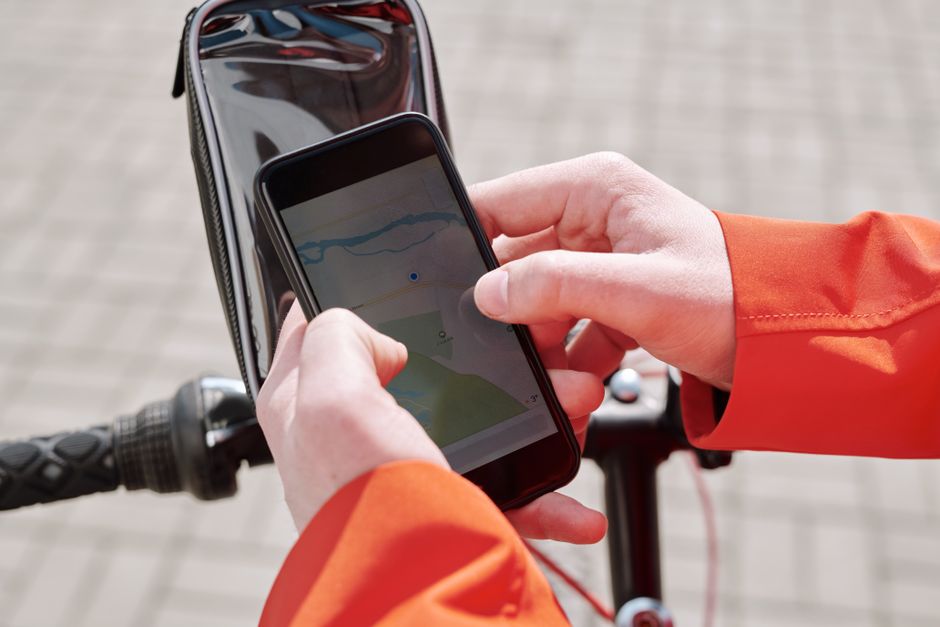
GPS watches or smartphone apps can supplement traditional tools, but they should not be the sole method of navigation. Battery life diminishes faster in cold temperatures, and screens may become difficult to read in bright sunlight. Downloading offline maps before the hike and keeping the device in a protected pocket can extend its usefulness. A simple paper map does not require power and can be annotated with notes about waypoints or water sources.
Pre-trip planning includes identifying key landmarks, trail junctions, and potential exit points. Sharing the planned route with someone not on the hike is a common safety measure. During the hike, checking the map periodically, even when the trail seems clear, helps confirm progress and prevents small errors from accumulating. The combination of map, compass, and a charged device provides a layered approach to navigation that adapts to different scenarios.
Layered Clothing: Adapting to Changing Mountain Weather
Temperature and wind can shift rapidly in mountain environments. Wearing multiple thin layers allows a hiker to add or remove insulation as activity level and conditions change. A typical layering system consists of a base layer, an insulating mid layer, and an outer shell. Each layer serves a specific purpose in managing moisture and heat.
The base layer sits against the skin and is responsible for wicking sweat away. Materials such as merino wool or synthetic fabrics perform well in this role. Cotton is often avoided because it retains moisture and loses insulating properties when wet. The mid layer traps air to provide warmth; options include fleece jackets, down vests, or synthetic insulated pieces. Choosing a mid layer that compresses easily is convenient for packing in a backpack.
The outer shell protects against wind, rain, and snow. A waterproof and breathable jacket can prevent chilling from precipitation while allowing excess heat to escape. Pants with similar properties are used if rain or wet vegetation is expected. Adjusting layers before starting a steep climb—removing the mid layer, for example—helps prevent excessive sweating, which can lead to chilling later. The ability to fine-tune the clothing system throughout the day contributes to comfort and reduces the risk of temperature-related issues.
Additional Considerations: Illumination, First Aid, and Emergency Items
A day hike can extend longer than planned due to navigation errors, fatigue, or unexpected obstacles. Carrying a headlamp or flashlight with fresh batteries allows a hiker to continue moving after dark. Even on a clear afternoon, dense forest or fog can reduce visibility earlier than expected. A small light source is lightweight and can be stored in a pack pocket without adding noticeable bulk.
A basic first aid kit tailored to the anticipated injuries—such as blisters, minor cuts, or insect bites—can address common issues without requiring a full medical kit. Antiseptic wipes, adhesive bandages, blister treatment, and a few pain relievers are typical contents. Knowing how to use each item is as important as carrying them. Some hikers also include a small emergency blanket or bivvy sack if an overnight stay becomes necessary.
Multitools or knives can assist with gear repairs, food preparation, or other tasks. Sun protection, including sunscreen and sunglasses, is relevant even on overcast days due to UV exposure at higher altitudes. These items, combined with the core categories discussed earlier, form a well-rounded set of gear that addresses many of the situations a day hiker might encounter. The selection process remains personal and depends on the specific trail, the season, and the hiker’s experience. No list can cover every possibility, but thoughtful preparation helps create a foundation for a more adaptable and comfortable experience.