How to Plan a Long Distance Cycling Route
Planning a multi-day cycling trip involves more than picking a destination and pedaling. The process requires careful consideration of terrain, daily distance, available services, and personal preparation. A well-structured plan helps create a realistic itinerary that aligns with individual fitness levels and preferences. While each journey is unique, a systematic approach to route selection, accommodation, nutrition, and bike maintenance provides a foundation that many cyclists find useful.
Long-distance cycling often involves days on the road, sometimes in remote areas. Factors such as weather patterns, road conditions, and traffic volumes can influence the overall experience. By breaking down the planning into manageable steps, riders can anticipate challenges and make informed decisions. The following sections outline key aspects of preparing for a multi-day cycling adventure, from mapping the route to keeping the bicycle in reliable condition throughout the trip.
Route Selection and Mapping
Choosing a route is often the first and most time-consuming part of planning. Many cyclists begin by defining the general start and end points, then research possible roads, trails, or dedicated bike paths. Digital mapping tools that highlight elevation profiles, road surfaces, and points of interest can be helpful. Some riders also consult local cycling clubs or online forums for firsthand reports about specific segments.
Elevation gain is a critical factor when estimating daily mileage. A route with steep climbs may require shorter distances per day, while flat terrain allows for longer rides. Riders often plan for a pace that accommodates breaks, sightseeing, and unexpected delays. It is common to include rest days in the itinerary, especially for trips lasting a week or more. Paper maps and GPS devices can serve as backups in case of electronic failure, and many cyclists carry both.
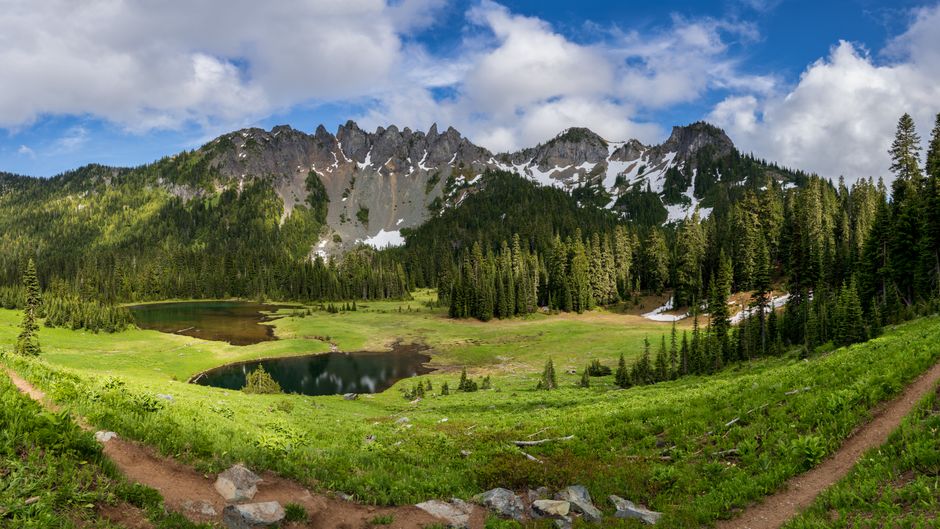
Road surface quality and traffic levels also influence route choice. Paved roads with wide shoulders are generally preferred for safety and comfort, but some cyclists choose unpaved paths for a more immersive experience. When planning through rural areas, it is important to confirm that services such as gas stations, grocery stores, and repair shops exist at reasonable intervals. Crossing major highways or busy urban zones may require additional caution and alternative routing.
Accommodation and Logistics
Where to sleep each night is a central part of any multi-day cycling plan. Options range from camping and hostels to hotels and organized cyclist networks like Warmshowers or Couchsurfing. Each choice affects the weight of gear carried, daily expenses, and the flexibility of the itinerary. Many cyclists combine different types of accommodation depending on availability and weather conditions.
For those who prefer camping, lightweight tents, sleeping bags, and cooking equipment add to the bicycle load. Campgrounds or designated wild camping areas require advance research, as regulations vary by region. Cyclists who opt for motels or guesthouses often carry minimal camping gear, which reduces weight but requires booking ahead during peak seasons. Some organizations offer hospitality exchanges specifically for touring cyclists, providing a free place to stay and sometimes a meal.
Logistical planning also involves arranging transport to the starting point and from the ending point. If the trip is one-way, riders may need to coordinate a return via public transit or a shuttle service. Carrying a bike on a bus or train typically requires advance reservation and sometimes a bike bag. For round-trip loops, logistics are simpler, but daily distances still need to align with available lodging. Regardless of the accommodation type, having a few backup options for each night helps reduce stress if plans change.
Nutrition and Hydration
Sustaining energy over multiple days of cycling requires attention to both food intake and fluid balance. The caloric expenditure of long-distance riding can be significant, and riders often need to consume more than their usual diet. Carbohydrates provide quick energy, while fats and protein support recovery. Many cyclists plan meals around easy-to-digest foods that are also convenient to carry and prepare.
On the road, access to grocery stores and restaurants may be limited, especially in remote stretches. Packing non-perishable snacks such as energy bars, nuts, dried fruit, and instant oatmeal can fill gaps between full meals. Some riders also carry a small stove for cooking warm meals when camping. Hydration is equally important; cyclists often aim to drink water regularly throughout the day, even before feeling thirsty. Electrolyte supplements can be useful in hot climates or during intense efforts.
Portion sizes and meal timing vary by individual, but a common approach is to eat small amounts frequently rather than large meals. Breakfast and dinner are often the most substantial meals, with lighter snacks taken during the ride. Planning resupply points along the route helps ensure that food and water are available when needed. Carrying a water filter or purification tablets can provide an extra layer of security when natural water sources are present.
Bike Maintenance and Preparedness
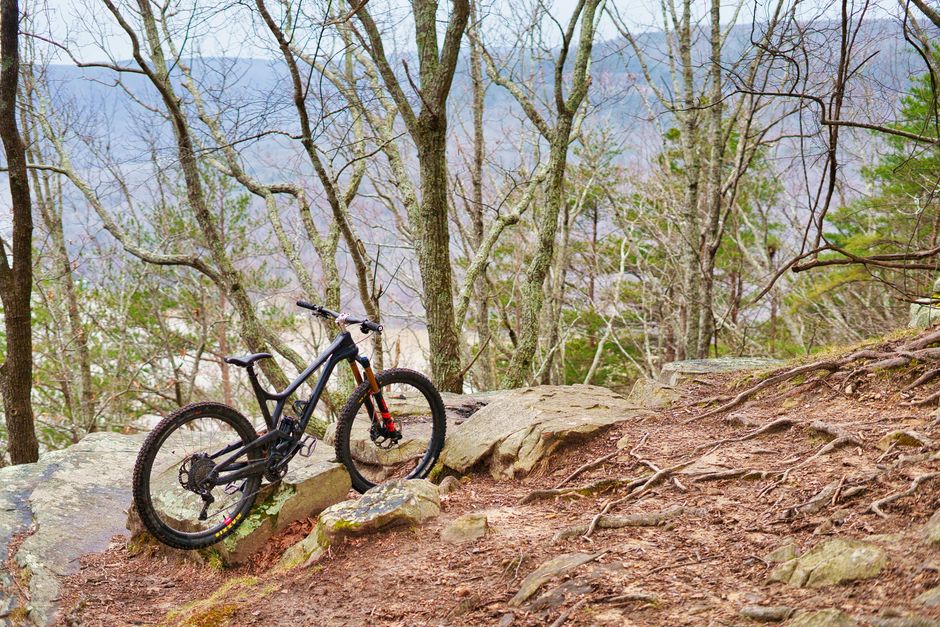
A bicycle subjected to long distances requires regular attention to remain dependable. Before the trip, a thorough inspection of the drivetrain, brakes, tires, and bearings is advisable. Many cyclists also replace worn chains, cables, and brake pads to reduce the risk of mid-ride failures. Carrying a basic tool kit, spare inner tubes, tire levers, a pump, and a patch kit allows for common repairs on the road.
During the ride, daily checks can help catch minor issues before they escalate. Checking tire pressure, cleaning the chain, and verifying that bolts are tight takes only a few minutes each morning. Proper lubrication of the chain and moving parts helps prevent corrosion and wear, especially when riding through rain or dusty conditions. For longer trips, cyclists may schedule a more comprehensive maintenance session at a bike shop if available along the route.
Knowing how to perform common repairs is as important as carrying the tools. Practicing tasks like fixing a flat tire, adjusting brakes, and replacing a broken spoke before leaving home gives riders confidence. Some cyclists carry spare spokes, a spoke wrench, a multi-tool with hex keys, and a small portable pump. For serious mechanical issues that cannot be repaired on the road, having a plan for reaching a nearby town or calling for assistance is a sensible backup. A well-maintained bicycle not only reduces the chance of unexpected stops but also makes the riding experience more comfortable.
Safety and Navigation
Staying safe while cycling long distances involves both visibility and awareness. Bright clothing, front and rear lights, and reflectors help other road users see the rider, especially in low light or poor weather. Many cyclists also use mirrors to monitor traffic behind them. Wearing a helmet is a standard precaution, and some riders add a bell or horn for alerting pedestrians or vehicles.
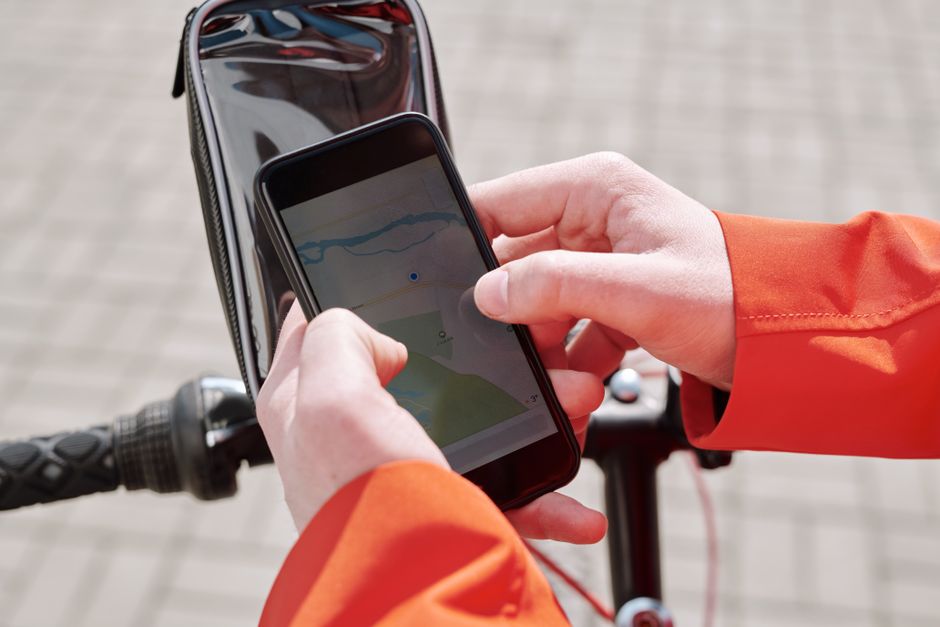
Navigation during a multi-day trip often relies on a combination of electronic and traditional methods. GPS devices or smartphone apps with offline maps allow riders to follow preloaded routes, but batteries can deplete quickly. Carrying a power bank and a spare battery or using a dynamo hub can extend device life. Paper maps or cue sheets written with turn‑by‑turn instructions provide a reliable backup that does not require power. Knowing how to read a map and use a compass remains a useful skill in areas without mobile coverage.
Emergency preparedness includes carrying a first‑aid kit, a phone with emergency contacts stored, and a list of local emergency numbers. Some cyclists also register their trip with a friend or family member, providing a rough itinerary. In case of severe weather, lightning, or extreme heat, having flexible plans for taking shelter or changing the route is important. Being prepared for the unexpected allows riders to focus on the experience while understanding that conditions can change rapidly.