Kayaking Safety Tips for Beginners
Kayaking offers a way to explore waterways while enjoying time outdoors. For those new to the activity, understanding key safety practices helps create a more predictable experience. This article provides an overview of fundamental considerations for beginner kayakers, focusing on personal flotation devices, weather awareness, and simple rescue methods. The information is intended to support independent learning and informed decision-making.
Every paddling trip involves variables such as water temperature, wind conditions, and the physical capability of the participants. By becoming familiar with basic safety concepts, beginners can reduce certain risks and respond more effectively to unexpected situations. The following sections outline approaches that many experienced paddlers incorporate into their routines.
It is important to note that no set of guidelines can eliminate all potential hazards. The effectiveness of any safety practice depends on proper use, ongoing education, and the specific circumstances of each outing.
Personal Flotation Devices and Proper Fit
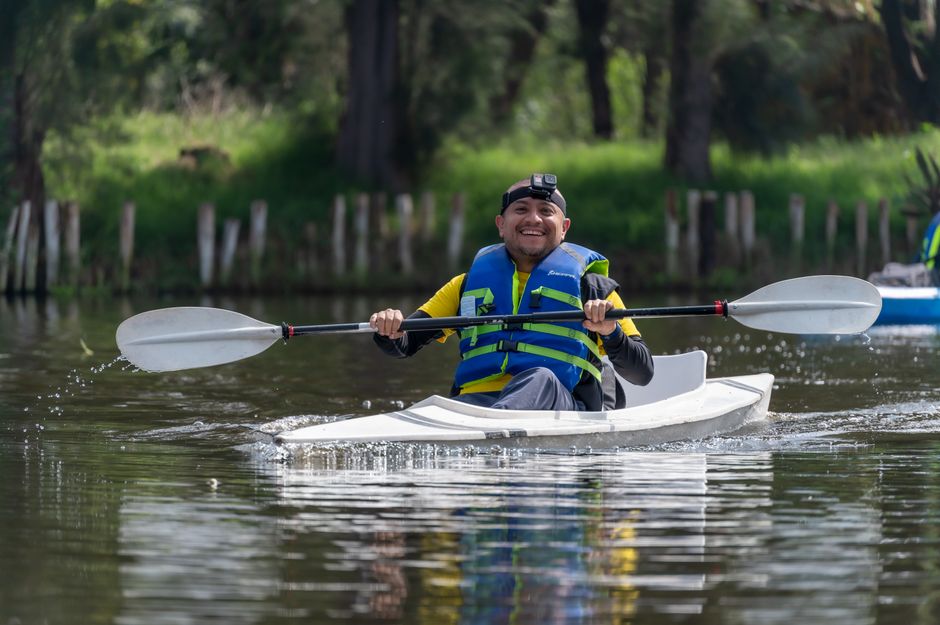
A personal flotation device, or PFD, is widely considered a core item for kayaking. In many regions, regulations require that a Coast Guard-approved life jacket be available for each person on board. For beginners, wearing the PFD at all times while on the water is a common recommendation. This is because a sudden capsize or unexpected fall can happen quickly, and putting on a PFD after entering the water is far more difficult.
Choosing a PFD designed specifically for paddling can improve comfort and freedom of movement. These models typically have lower profiles and arm cutouts that do not interfere with paddle strokes. Fit is equally important: the PFD should be snug but not restrictive, and it should not ride up when lifted from the shoulders. Many paddlers test the fit by tightening all straps and then lifting the PFD at the shoulders; if it moves excessively, adjustments are needed. Checking the condition of buckles, zippers, and webbing before each trip helps ensure the device functions as intended.
Assessing Weather and Water Conditions
Weather conditions can change rapidly on lakes, rivers, and coastal areas. Checking a forecast from a reliable source a few hours before launching provides information about wind speed, precipitation, and temperature. Beginners may find it useful to understand how wind affects small watercraft. For example, winds above 10 to 15 knots can create choppy conditions that make paddling more strenuous and increase the likelihood of capsizing.
Water temperature is another factor that influences safety. Cold water, even during warmer months, can lead to hypothermia if a paddler is immersed for an extended period. Paddlers often use a wet suit or dry suit when water temperatures are below 60°F (about 15°C). Additionally, understanding local currents, tides, and potential hazards such as submerged obstacles or boat traffic is part of pre-trip planning. Many beginners start on calm, protected waters—such as small lakes or slow-moving rivers—to gain experience before venturing into more dynamic environments.
Basic Rescue Techniques for Beginners
Knowing what to do in the event of a capsize builds confidence and reduces panic. One fundamental skill is the wet exit: releasing the spray skirt and pushing oneself out of the kayak while remaining calm. Practicing this in shallow, controlled conditions with a partner present allows beginners to become comfortable with the motion. Once out of the kayak, the next step is often re-entry or towing the boat to shore.
A simple assisted rescue involves another paddler stabilizing the overturned kayak and helping the swimmer re-enter. The T-rescue is a common method where the assisting kayaker forms a T shape with the capsized boat, allows the swimmer to climb over the stern, and then uses a paddle float or hands for balance. Self-rescue techniques, such as using a paddle float as an outrigger, can also be learned. Beginners are encouraged to take a certified kayaking course, where instructors demonstrate these maneuvers in a safe setting. Repeated practice helps develop muscle memory and makes the response more automatic.
Essential Equipment and Preparation
Carrying a few pieces of additional gear can support safety on the water. A paddle float is a small inflatable device that attaches to the paddle blade, creating a stable outrigger to assist with self-rescue. A whistle attached to the PFD provides a way to signal for attention without expending energy shouting. A waterproof dry bag keeps personal items and extra clothing dry, which is valuable if conditions turn cool.
A spare paddle is another item that many paddlers bring along. If a primary paddle breaks or is dropped, a backup allows continued progress. Beginners may also consider a bilge pump or sponge to remove water from the cockpit after re-entry. Before each trip, checking the kayak for hull integrity, seat adjustments, and properly functioning rudder or skeg (if equipped) is standard practice. Having a first aid kit and knowing basic first aid principles adds an additional layer of preparedness.
Trip Planning and Paddling with Others
Paddling with a group, especially in the beginning, offers multiple benefits. More people mean more eyes on changing conditions and additional support if someone needs assistance. A common practice is to inform someone on land of the planned route, expected return time, and launch location. This way, if the group is delayed, a responsible person can alert authorities.
Beginners should match their trip distance and duration to their current fitness and skill level. Starting with short outings of one to two hours allows for gradual adaptation. Over time, as confidence and stamina increase, longer trips can be attempted. It is also useful to review the specific regulations of the waterway, as some areas require permits or have restrictions on boat types. Taking a moment to assess conditions just before launch—looking at wind direction, wave height, and nearby boat traffic—provides a final check before committing to the water.
By incorporating these practices into regular routines, beginner kayakers can cultivate habits that contribute to safer and more enjoyable experiences. Continued learning, equipment maintenance, and respectful interaction with the environment are all part of responsible paddling.